
Toowoomba Landscape Architects – Landscape Design
With the growth of development in the Surat Basin, Toowoomba is changing at a rapid pace. Therefore, delivering landscapes and urban developments of a high standard is critical to ensure a quality standard of living for the residents of the city. Toowoomba Landscape Architects play a key role in ensuring this is actually delivered.
Table of Contents
Toowoomba – The Home the Carnival of Flowers
Toowoomba is a diverse region. The types of landscapes across the region are varied and include many picturesque rural landscapes. These are typically made up of flat agricultural black soil plains and rolling low hills. The forested range and an urban plateau makes up the Toowoomba City and Highfields areas.

Enhancing the amenity of these areas is a priority for Toowoomba Regional Council. Landscapes also need to comply with standards of the Landscape Code contained in Part 9.4.4 of the Toowoomba Regional Planning Scheme. This ensures they are suitable for the type of development proposed and also the micro-climatic conditions.

Toowoomba Regional Plan Landscape Code

The purpose of this code is as follows:
(1) The purpose of the Landscape Code is to facilitate landscaping which is an integral component of urban design, contributing to the creation or enhancement of quality places and spaces.
Source: https://pdonline.toowoombarc.qld.gov.au/MasterPlan/Modules/EPlan/EplanViewer.aspx#
The overall landscape aim is to ensure aesthetically pleasing environments. Places where people work, live and play are to be comfortable and functional.
The landscape should be functional to the context it envelops. Each project is different and response to the local environment is important.
Protection and enhancement of existing vegetation and ecological values is important. Contribution to streetscapes, local characters and cost-effective maintenance are all important aspects of landscapes under Toowoomba’s Regional Planning Scheme.
Landscape Architectural Design in the Toowoomba Region
Enhancing the amenity of urban areas is a priority for Toowoomba Regional Council.
Citicene have been involved in numerous commercial developments in the Toowoomba Region including:

As part of Toowoomba Regional Council Planning Scheme, Part 9.4.4 outlines the requirements for Landscape regarding any development.
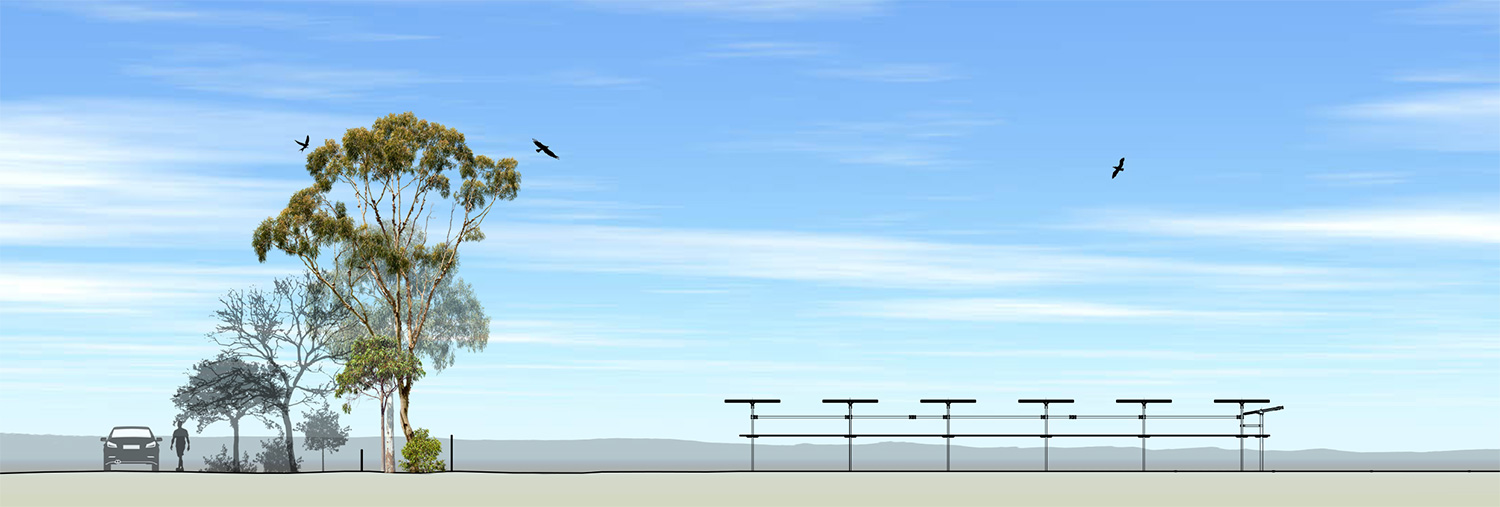
Numerous other projects include:
- Bunnings, Gatton
- Bunnings Toowoomba
- James Street Upgrades and Visual Assessment
- McDonalds, Gatton
- Optus Communications Infrastructure, Top Camp
- Ergon Energy Depot
- St Vincent’s Private Hospital

Landscape architectural expertise for a range of projects included landscape assessments and landscape approvals through the Toowoomba Regional Council and Lockyer Valley Shire Council.

Contact us now to learn more about how our landscape expertise can improve your next project in the Toowoomba region.
Frequently Asked Questions About Toowoomba Landscape Architects
How does Toowoomba’s climate influence landscape design?
Toowoomba’s cooler temperatures, seasonal rainfall, and occasional frost influence plant selection, irrigation planning, and the design of outdoor spaces that remain attractive throughout the year.
What landscape styles are popular in the Toowoomba region?
The region features a mix of contemporary landscapes, native gardens, heritage-inspired planting, and parkland-style designs that reflect Toowoomba’s reputation as the ‘Garden City’.
Which plants perform well in Toowoomba landscapes?
A combination of Australian native species and cool-climate ornamentals can thrive in Toowoomba, depending on the site’s soil, aspect, and maintenance requirements.
How can landscape design improve outdoor living in Toowoomba?
Thoughtful landscape design can create comfortable outdoor spaces through strategic tree planting, sheltered entertaining areas, seasonal colour, and functional gardens suited to the region’s climate.
Why choose a landscape architect with experience in the Toowoomba region?
A landscape architect with local experience understands Toowoomba’s climate, planning considerations, and landscape character, helping to create outdoor environments that are practical, sustainable, and designed for long-term success.


