
GREVILLEA baileyana – Commonly known as ‘Brown Silky Oak’
GREVILLEA baileyana, commonly known as Brown Silky Oak, is a tree of the family Proteaceae (a family of flowering plants predominantly distributed in the Southern Hemisphere) and is native to the rainforests of north-east Queensland in Australia and to Papua New Guinea. Another fantastic tree. With a strong leaf character, this tree is a great evergreen species that can be used in a large variety of situations.
Botanical Name: GREVILLEA baileyana
Common Name: Brown Silky Oak
Height: 5 to 8 m
Spread: 3 to 4 m
Shade: Light shade only
Full Sun: Yes
Uses: Street tree, landscape boundary buffer tree, feature screen tree, rain-forest tree.
Hardiness: A great low maintenance tree. Tolerates minimal care.
Drought tolerance: Pretty good
Leaf drop? Yes
Will it Grow in Brisbane? Yes
Shade Tolerance: Mainly sun
Invasive Roots: Not really
Citicene Rating: 5 Stars
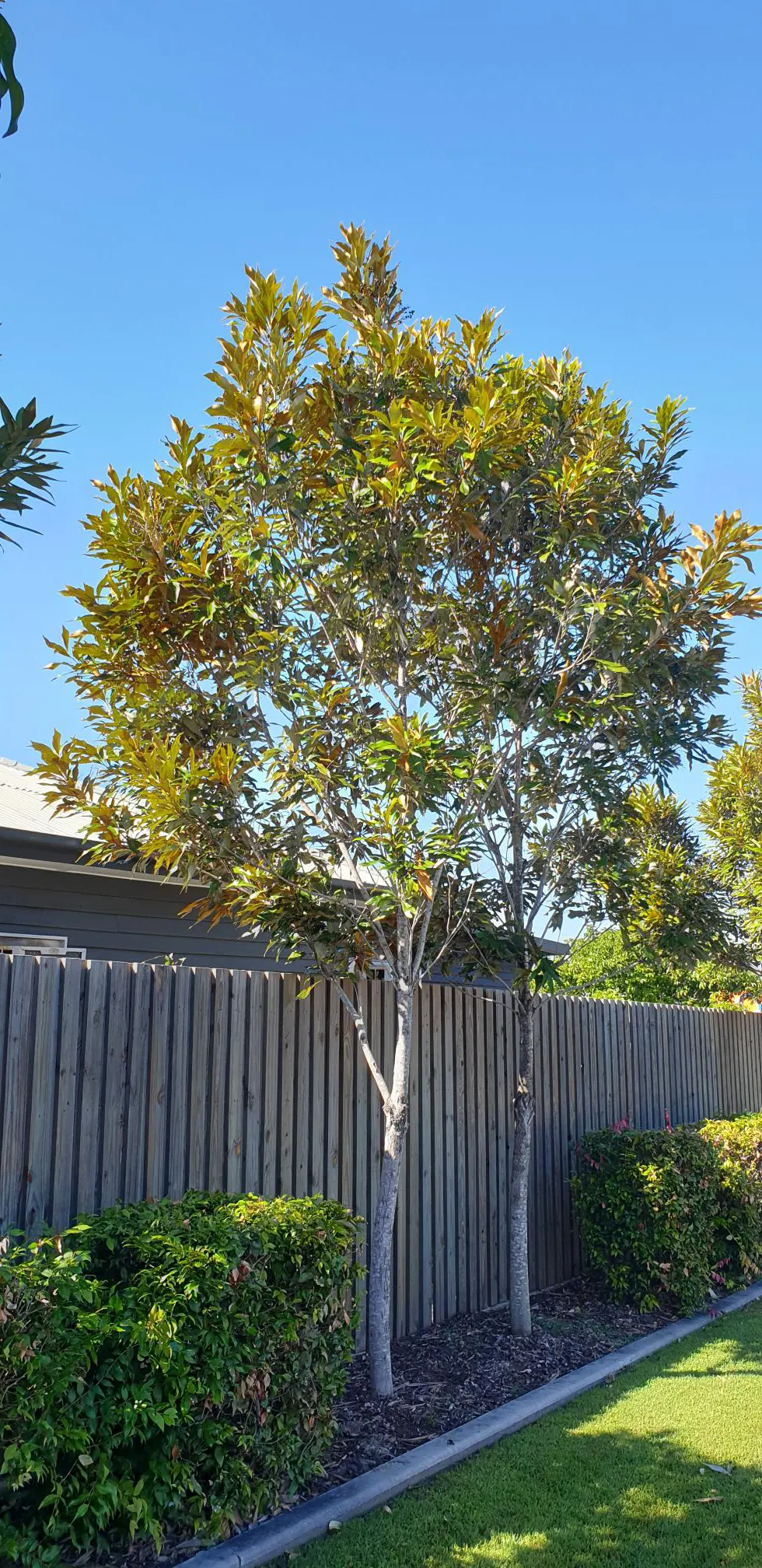
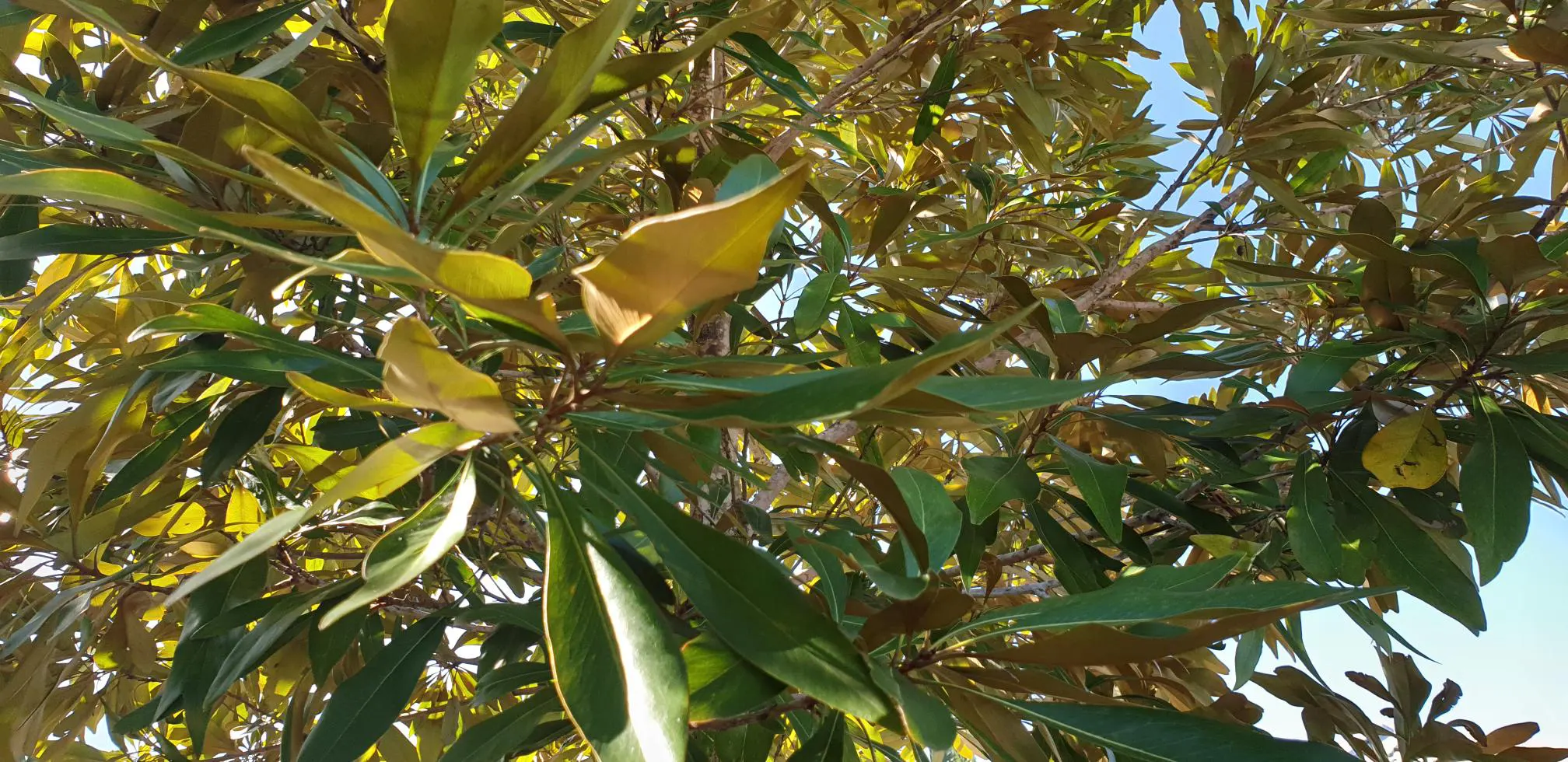
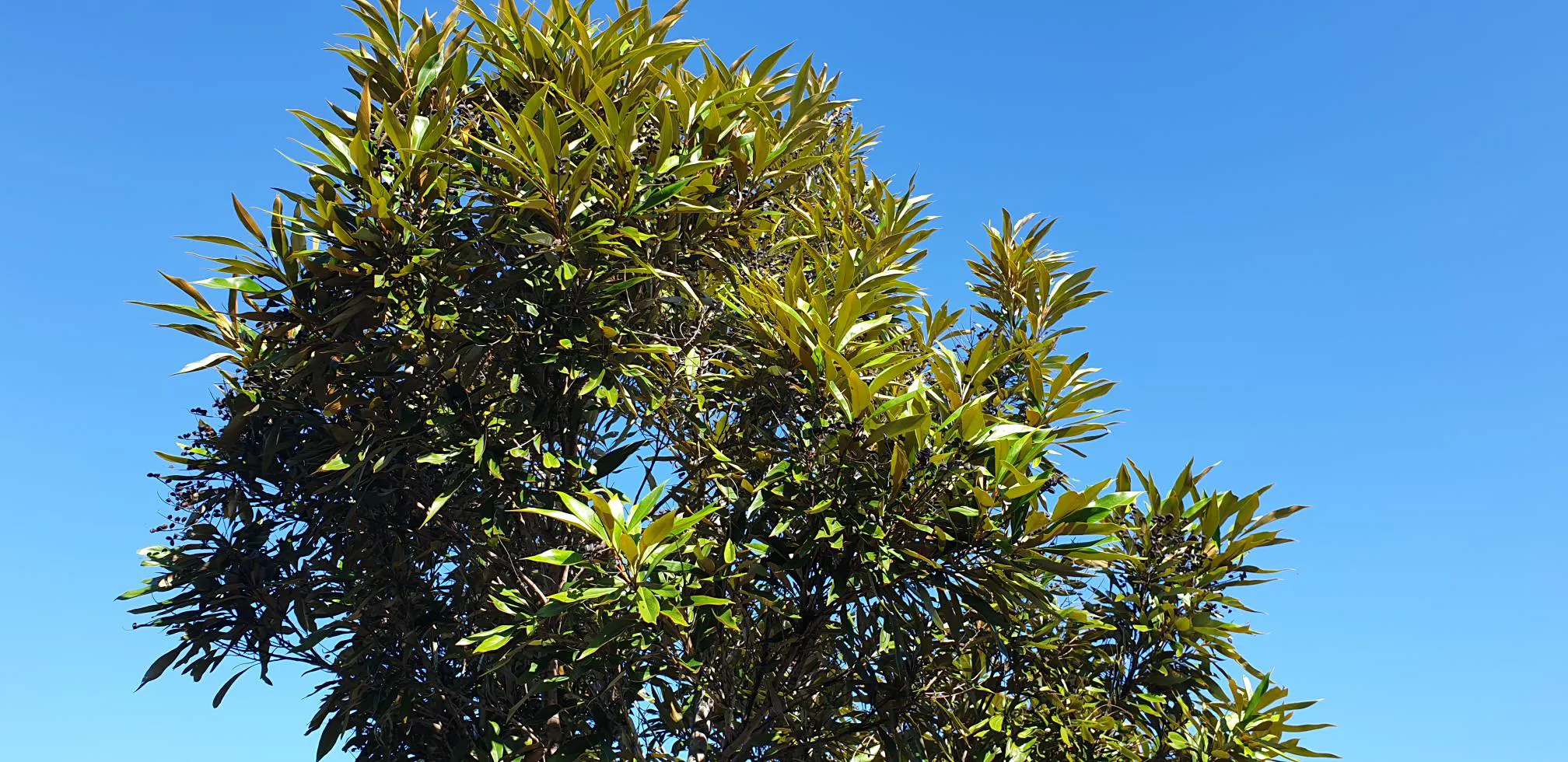
Frequently Asked Questions About Grevillea baileyana
How large does Brown Silky Oak grow?
Brown Silky Oak typically grows 15–30 metres tall with a broad canopy, making it best suited to large gardens, parks, streetscapes, and commercial landscapes.
Where does Grevillea baileyana grow best?
It thrives in full sun to partial shade and prefers well-drained soils. Native to eastern Australia, it performs well in warm, subtropical and tropical climates, including many parts of Queensland.
Is Brown Silky Oak suitable for urban landscapes?
Yes. When sufficient space is available, it is an excellent choice for parks, large residential properties, streetscapes, and commercial developments due to its shade, ornamental appeal, and adaptability.
Does Grevillea baileyana benefit wildlife?
Yes. Its nectar-rich flowers attract birds, bees, and other pollinators, while its dense canopy provides habitat and shelter, making it a valuable tree for supporting local biodiversity.
Is Grevillea baileyana a fast-growing tree?
Yes. Grevillea baileyana is considered a relatively fast-growing native tree under suitable conditions. With adequate sunlight, well-drained soil, and regular watering during establishment, it can quickly develop into a substantial shade tree, making it a popular choice for larger landscape and revegetation projects.


