
When people hear the term landscape designer, they often think of selecting plants, creating attractive gardens or enhancing outdoor spaces.
While these are certainly part of the role, professional landscape design goes much further.
Table of Contents
A Profession for the Environment
A skilled landscape designer creates environments that are practical, sustainable, visually appealing and tailored to the long-term needs of the people who use them.
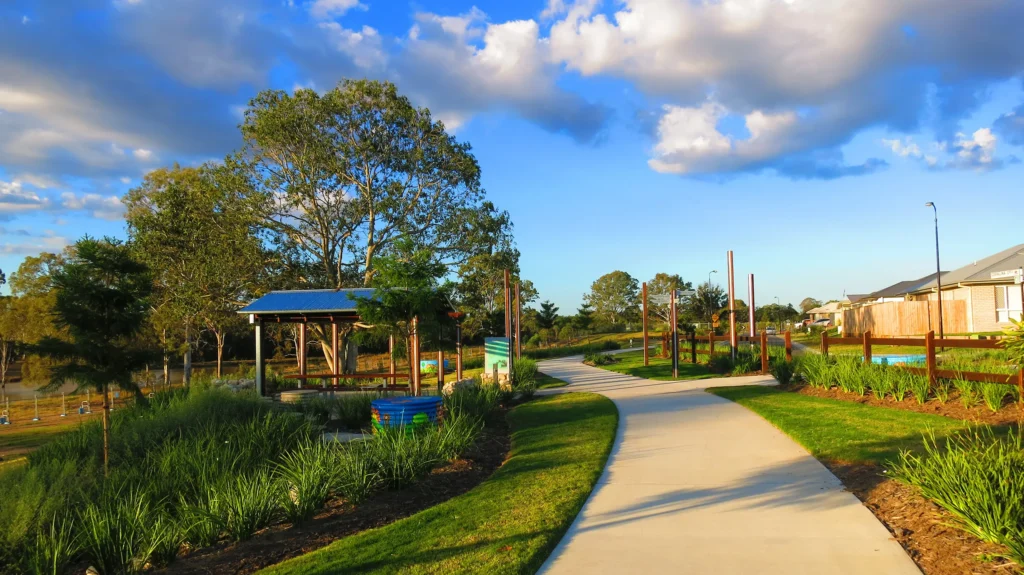
For commercial developments, residential communities, public spaces and urban projects, engaging an experienced landscape designer early in the design process can significantly improve the overall success of a project.
At Citicene Landscape Architects, we believe great landscape design should do more than look impressive. It should add lasting value to the development, improve functionality and create places where people genuinely enjoy spending time.
What Does a Landscape Designer Do?
A landscape designer plans and designs outdoor environments that balance aesthetics with function.
Every project begins with understanding the site, the client’s objectives and the surrounding environment before developing solutions that are both practical and visually engaging.
Depending on the project, a landscape designer may be responsible for:
- Site analysis and assessment
- Concept landscape design
- Planting design
- Hardscape design including paving, walls and outdoor spaces
- Streetscape and public realm design
- Open space planning
- Irrigation concepts
- Landscape master planning
- Design documentation
- Coordination with architects, engineers and planners
- Construction support during project delivery
Rather than focusing solely on appearance, professional landscape design considers how a space will perform over many years.
Why Landscape Design Matters
Well-designed landscapes create value in ways that are often underestimated.
A thoughtful landscape design can:
- Improve the visual appeal of a development
- Increase property value
- Create welcoming environments for visitors and occupants
- Support biodiversity and environmental outcomes
- Improve stormwater management
- Reduce long-term maintenance costs
- Enhance pedestrian movement and accessibility
- Provide shade and improve thermal comfort
- Strengthen the identity of a development
Whether the project is a commercial office, industrial estate, education facility, residential subdivision or mixed-use development, quality landscape design contributes to better long-term outcomes.
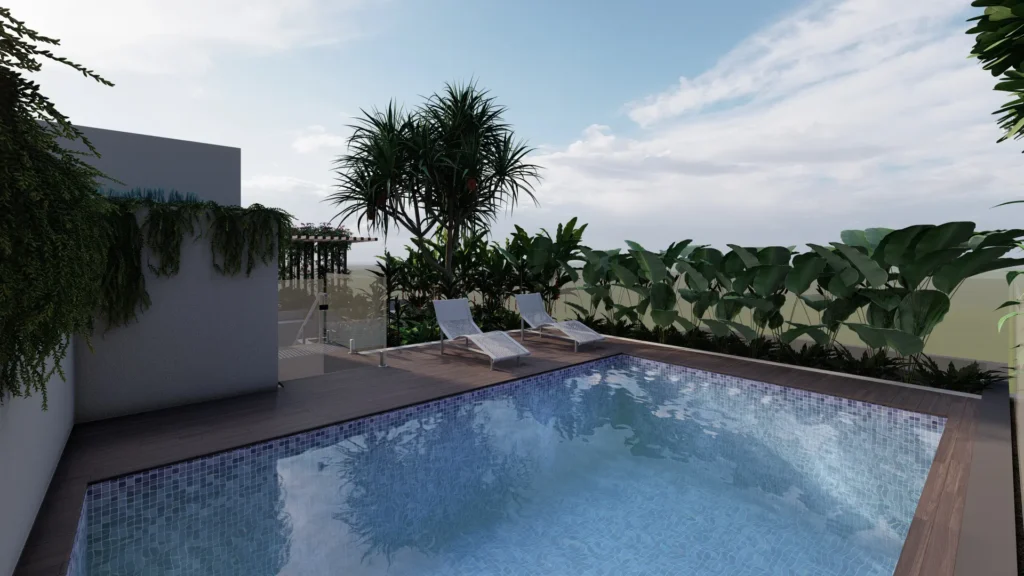
Landscape Designer vs Landscape Architect
One of the most common questions people ask is whether they need a landscape designer or a landscape architect.
While the terms are sometimes used interchangeably, there are important differences.
Generally, landscape designers focus on planning attractive and functional outdoor spaces, particularly for residential or smaller-scale projects.
Landscape architects typically work on more complex developments that require broader technical knowledge, environmental planning and coordination with multidisciplinary consultant teams.
They often become involved in projects requiring planning approvals, infrastructure integration, public open spaces and commercial developments.
For larger developments, engaging experienced landscape architects provides additional expertise throughout planning, documentation and construction.
Why Commercial Projects Benefit from Professional Landscape Design
Landscape design has become an essential component of modern commercial development.
Developers increasingly recognise that quality outdoor environments contribute directly to the success of a project.
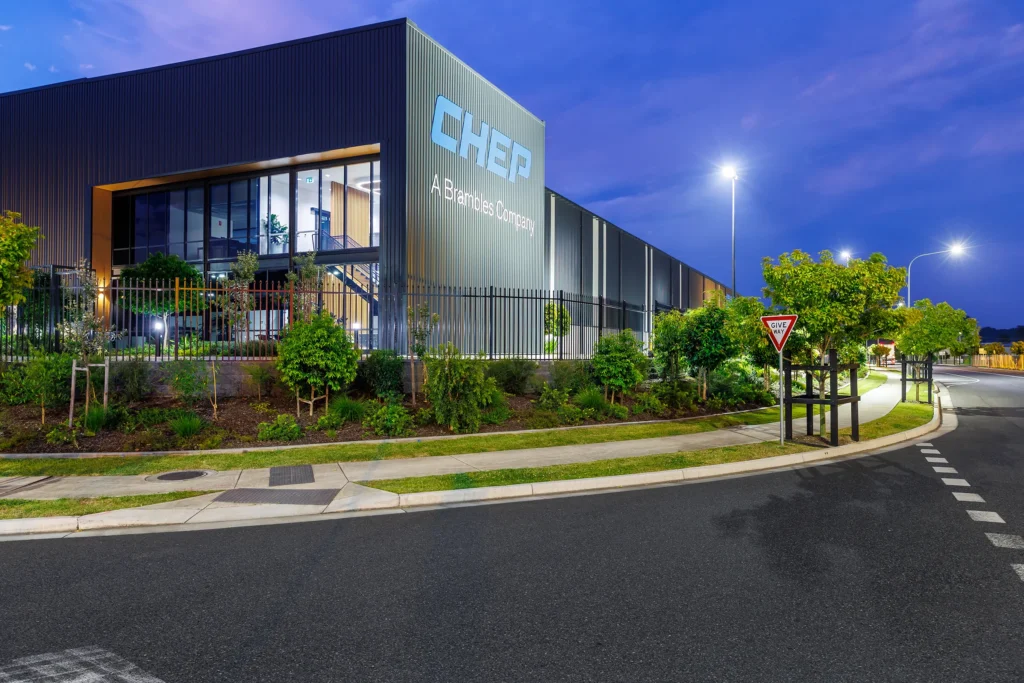
Professional landscape design helps:
Create Strong First Impressions
- The external environment is often the first thing visitors, tenants or customers experience. Attractive entry statements, planting and public spaces create a positive and lasting impression.
Improve Development Value
- High-quality landscaping can increase the appeal and marketability of commercial developments, helping attract tenants, buyers and investors.
Support Planning Outcomes
- Many developments require carefully considered landscape solutions to satisfy planning authorities and integrate successfully with surrounding environments.
Encourage People to Use Outdoor Spaces
- Well-designed outdoor environments encourage interaction, improve amenity and provide comfortable spaces for employees, residents and visitors.
Reduce Long-Term Costs
- Selecting appropriate materials, planting and irrigation systems helps reduce maintenance requirements while improving long-term performance.
The Landscape Design Process
Every successful project follows a structured design process.
1. Understanding the Project
The process begins with understanding the client’s objectives, budget, site opportunities and project constraints.
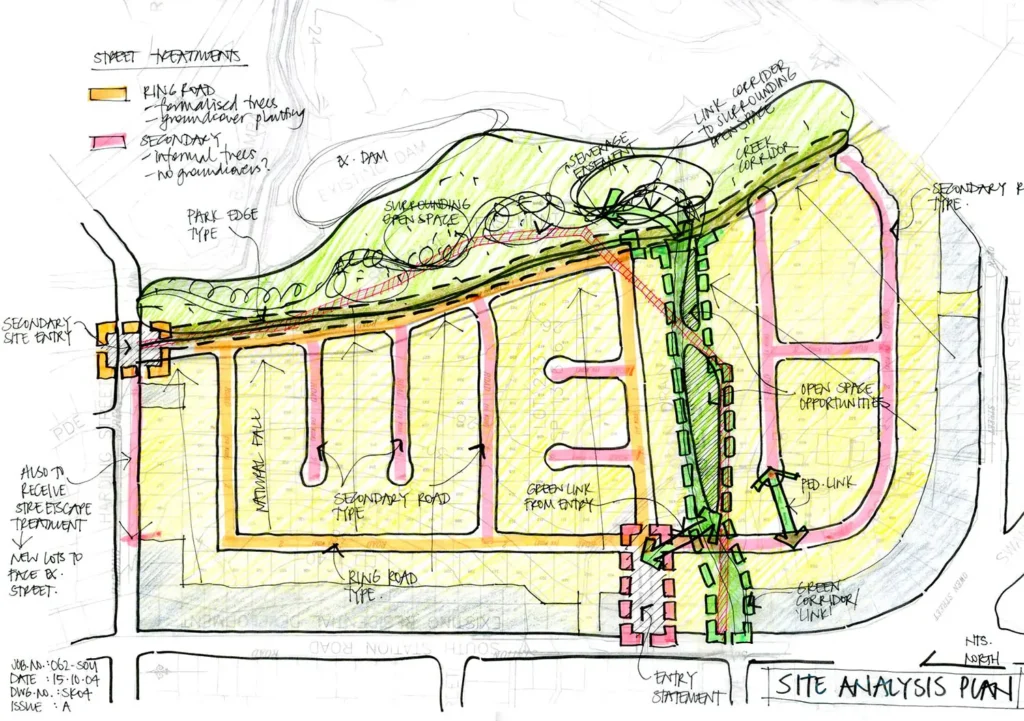
2. Site Analysis
A detailed site assessment considers:
- Existing vegetation
- Topography
- Drainage
- Access
- Services
- Climate
- Soil conditions
- Views
- Surrounding land uses
This information forms the foundation of the design.
3. Concept Design
Concept plans explore layout options, circulation, planting, open spaces and key design opportunities.
This stage allows ideas to be refined before detailed documentation begins.
4. Design Development
Once the preferred concept is selected, detailed plans are developed including materials, planting palettes, levels and construction details.
5. Documentation
Construction documentation provides contractors with the information required to build the landscape accurately and efficiently.
6. Construction Support
Many projects benefit from ongoing design involvement during construction to ensure the finished outcome reflects the approved design intent.
Common Mistakes When Choosing a Landscape Designer
Selecting the right consultant can have a significant impact on project success.
Some common mistakes include:
- Choosing solely on price
- Engaging a designer too late in the project
- Overlooking experience with similar developments
- Failing to consider long-term maintenance
- Ignoring planning requirements
- Not reviewing previous project experience
An experienced landscape professional brings practical knowledge that often saves both time and money throughout the project lifecycle.
Why Early Engagement Makes a Difference
Landscape design should not be treated as an afterthought.
Bringing a landscape designer into the project during the early planning stages allows the landscape to integrate seamlessly with buildings, services, access and public spaces.
Early collaboration can:
- Improve site planning
- Reduce redesign costs
- Simplify consultant coordination
- Strengthen planning submissions
- Identify opportunities that may otherwise be missed
- Deliver a more cohesive final development
The earlier landscape considerations are incorporated, the greater the opportunity to achieve outstanding project outcomes.
Frequently Asked Questions About Landscape Designers
What does a landscape designer do?
A landscape designer plans outdoor spaces that are functional, attractive and sustainable. Their work may include planting design, open space planning, hardscape design and coordinating with other design professionals.
Is a landscape designer the same as a landscape architect?
Not always. While both design outdoor environments, landscape architects generally work on more complex developments requiring broader technical expertise, planning knowledge and multidisciplinary coordination.
When should I hire a landscape designer?
The best time is during the early planning stages of your project. Early involvement allows the landscape to integrate effectively with the overall development.
Can landscape design increase property value?
Yes. Well-designed landscapes improve visual appeal, user experience and overall project quality, all of which can contribute to stronger market value and greater long-term returns.
What types of projects benefit from landscape design?
Landscape design is valuable for commercial developments, residential estates, industrial facilities, schools, parks, public spaces, healthcare facilities and mixed-use developments.
Why Choose Citicene Landscape Architects?
At Citicene Landscape Architects, we work closely with developers, architects, planners and project teams to create landscapes that deliver lasting value.
Our approach combines creative thinking with technical expertise to produce practical, buildable and sustainable landscape solutions tailored to each project’s objectives.
From concept planning through to detailed documentation and construction support, we focus on creating outdoor environments that enhance both the development and the people who use it.
Whether your project is a commercial precinct, residential development, public open space or urban renewal initiative, engaging an experienced landscape design team from the outset can make a meaningful difference to the success of the project.

Ready to Discuss Your Next Project?
If you’re looking for an experienced landscape designer for your next commercial or residential development, the team at Citicene Landscape Architects can help.
Contact us to discuss your project and discover how thoughtful landscape design can create spaces that are functional, sustainable and built to deliver long-term value.


