
As cities continue to grow, rooftop gardens and expanded greenspaces are helping create cooler, healthier, and more resilient urban environments.
Table of Contents
Brisbane City Council Proposed Changes to Rooftop Gardens and Greenspace
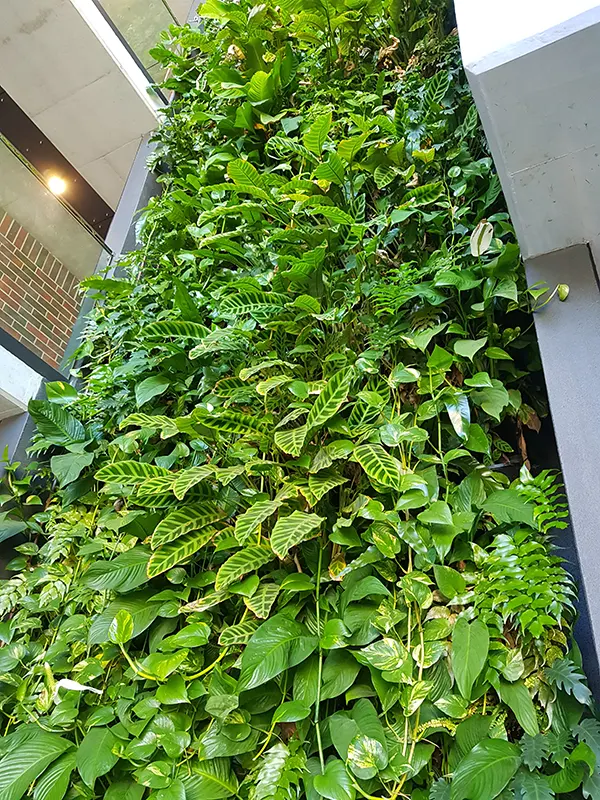
Brisbane City Council have proposed changes to the City plan in regard to landscape and greenspace on podium. ‘On podium’ or ‘on structure’ landscapes include landscapes in planter boxes, green walls, trellises or landscape that is not growing in ‘deep soil’ earth.
There has been a huge amount of interest in this area in an attempt to reduce the heat island effect. The urban heat island effect is where city temperatures are rising due to the amount of hard surfaces and reflective finishes – i.e. to put it simply to much concrete and glass.
The changes are do to with rooftop gardens and on structure landscapes. You can view the proposed changes here or click the image below to open the BCC website.

Downloaded 24th December 2020
Increase the quality of green space to multi-storey buildings
The proposed amendments include a range of initiatives to increase the quality of green space to multi-storey buildings.

The changes include:
- changes to zones where rooftop gardens are being supported.
- additional rooftop garden standards and provisions.
- required standards for a rooftop garden to not be considered a storey.
- and proposed changes to the Landscape work code and supporting planning scheme policies.
This is a great idea and will certainly make a difference to the quality of development in the Brisbane area. Due to these changes we should see more and more high density developments in Brisbane become more like the type of development commonly experienced in Singapore.
If you have been to Singapore, they certainly have a large range of quality developments that include large components of green walls and on podium landscaped spaces.
Further Changes Needed
In addition to the above, it would also be great to see Brisbane City Council also make further changes including:
- refine the design, construction and certification of these types of on podium landscapes.
- Include all zones within the changes from educational facilities through to multi-level carparks
- Focus more on the amenity and reduction of the heat island effect
- define specifications for construct-ability and soil within these structures
- Requirements for experts to provide advice on these types of landscapes including but not limited to horticulturalists, arborists, waterproofing specialists, soil scientists, and landscape construction and maintenance contractors.
Following on from the BCC New World City Design Guide – Buildings that Breathe, we believe there is good reason to further develop an industry wide Brisbane City on-structure landscape code.
However the changes are certainly a great start and we encourage Brisbane City Council to continue down this path to improve the outcomes within the city.
Contact Citicene to learn more about how we can help with your landscape.
5 Frequently Asked Questions About Rooftop Gardens
Why are rooftop gardens becoming more popular in urban developments?
As cities become denser, rooftop gardens provide valuable green space that improves amenity, supports sustainability goals, and transforms underutilised rooftops into functional outdoor environments.
What should be considered when designing a rooftop garden?
Key considerations include structural loading, waterproofing, drainage, irrigation, plant selection, wind exposure, maintenance access, and the intended use of the space.
How do rooftop gardens benefit commercial buildings?
They can enhance occupant wellbeing, improve building aesthetics, reduce heat gain, contribute to sustainability certifications, and create attractive spaces for recreation and social interaction.
Can rooftop gardens support biodiversity?
Yes. Carefully selected native plants can provide habitat and food sources for birds, bees, butterflies, and other pollinators, helping to increase biodiversity within urban environments.
How are rooftop gardens shaping the future of urban design?
Rooftop gardens are becoming an integral part of sustainable city planning by expanding urban greenspace, improving climate resilience, encouraging healthier communities, and making better use of limited land resources.


