
Landscape design is the art and science of arranging outdoor spaces to create aesthetically pleasing and functional environments that enhance the natural features of a site and meet the needs of its users.
We need landscape design to harmoniously integrate natural elements, enhance environmental sustainability, and fulfil the practical and aesthetic requirements of outdoor spaces, improving quality of life and fostering connections with nature.
Table of Contents
Landscape Design to Mitigating Impacts
Landscape design is crucial in mitigating the impacts of climate change by promoting resilient and sustainable practices that adapt to changing environmental conditions, conserve resources, and enhance biodiversity.
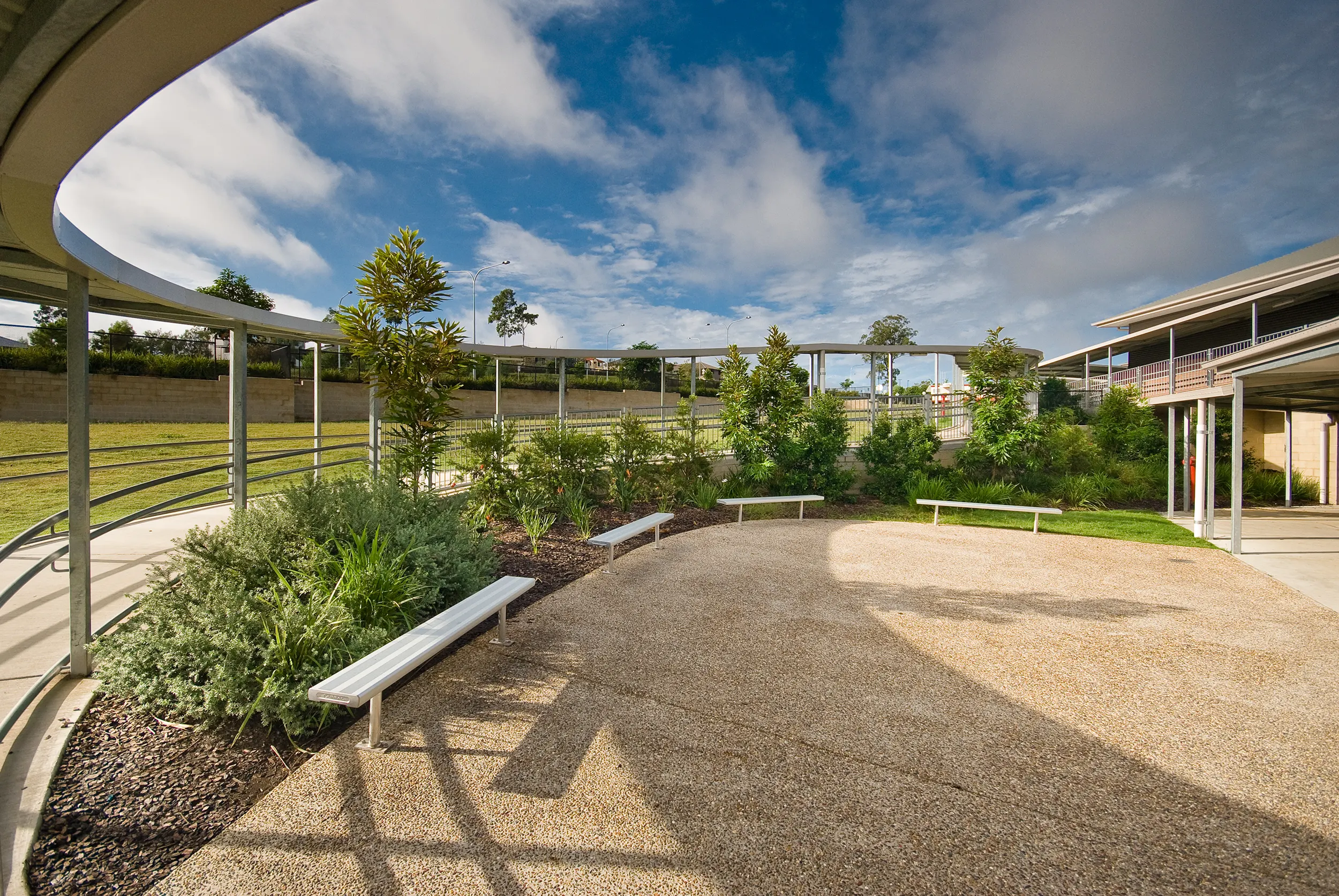
If landscapes aren’t designed properly, they can exacerbate environmental degradation, diminish biodiversity, increase vulnerability to natural disasters, and compromise the well-being of both ecosystems and human communities.
Professional Designers
Landscape designers, architects, and landscape architects typically design landscapes, possessing qualifications such as a bachelor’s or master’s degree in landscape architecture, horticulture, or a related field.
Additionally, they often have professional certification and licensure, extensive knowledge in ecology, plant science, spatial design, and proficiency in design software and technical skills necessary for creating functional and aesthetically pleasing outdoor environments.
Citicene are focussed on urban landscape architecture or the design of outdoor spaces within urban environments. Landscape architects specializing in urban environments design outdoor areas such as parks, plazas, streetscapes, and green spaces within cities. They focus on integrating natural elements, promoting sustainability, enhancing usability, and addressing the unique challenges and opportunities presented by urban settings.
Frequently Asked Questions About Landscape Design for Enhanced Environments
What is meant by “enhanced environment” in landscape design?
An enhanced environment refers to outdoor spaces that are improved through thoughtful landscape design to be more functional, attractive, sustainable, and beneficial for people, wildlife, and the surrounding context.
How does landscape design improve outdoor environments?
Landscape design improves environments by integrating vegetation, hardscape, water management, shading, and spatial planning to create comfortable, usable, and visually appealing spaces.
What are the key elements of an enhanced landscape environment?
Key elements include diverse planting, shade provision, accessible pathways, seating areas, stormwater management systems, biodiversity features, and durable, well-planned materials.
Can landscape design improve environmental sustainability?
Yes. Sustainable landscape design reduces water use, supports native biodiversity, improves soil health, mitigates urban heat, and manages stormwater more effectively.
Where is landscape design for enhanced environments commonly applied?
It is commonly applied in residential developments, commercial properties, public parks, streetscapes, schools, healthcare facilities, and urban regeneration projects.


