
Distributed Renewable Energy Generation is renewable energy near the point of use instead of a centralized facility like a power plant.
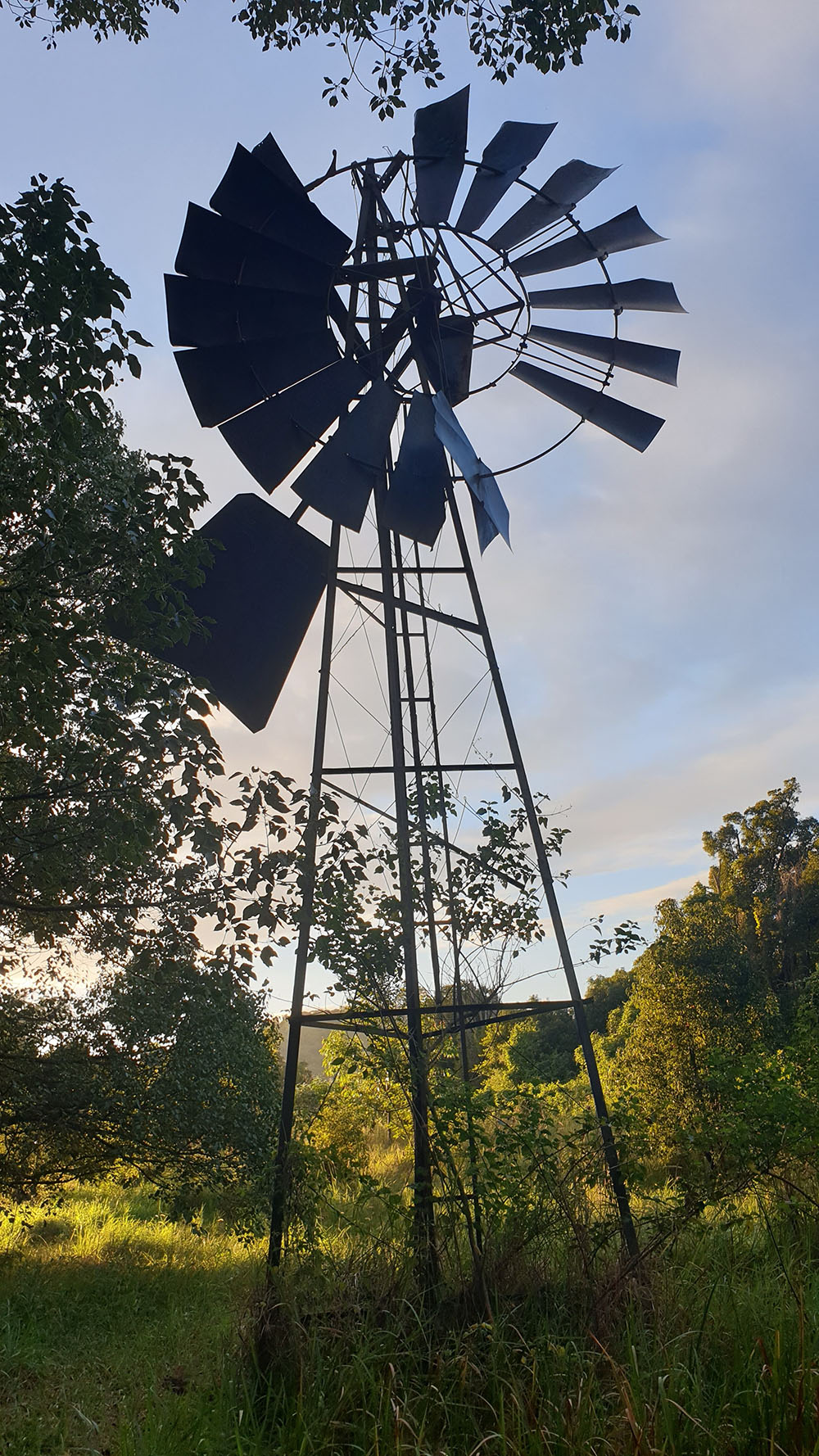
Windmills are littered across the Australian Landscape and have been a form of renewable energy generation since the early 1800’s. First designed by Daniel Halladay, who began inventing windmills in 1854, these structures are used to harness the power of the wind for purposes like grinding grain, pumping water, and generating electricity.
Integration without detracting
How can we integrate more distributed renewable energy in our urban environments without detracting from the character, sense of place and built form?
How can we integrate more distributed renewable energy in our urban environments without detracting from the character, sense of place and built form?
What effect does a community wind turbine in a public park have on sociological and psychological park experience?
How would Distributed Renewable Energy Generation modify ‘sense of place’?
How can public or private open space be maximized for Distributed Renewable Energy Generation?
Can streetscapes be modified to incorporate Distributed Renewable Energy Generation?
As renewable becomes a major energy source, we have a lot of design challenges to overcome.
NOTE: The windmill was first designed by Daniel Halladay, who began inventing windmills in 1854.
Frequently Asked Questions About Distributed Renewable Energy Generation and Sense of Place
How can distributed renewable energy influence the character of a place?
Distributed renewable energy can be thoughtfully integrated into the landscape to complement local identity, strengthen community connections, and reflect the environmental values of a region.
What role does landscape architecture play in renewable energy projects?
Landscape architects help integrate renewable energy infrastructure into the surrounding environment by considering visual impact, ecological outcomes, public amenity, and community expectations throughout the design process.
How can renewable energy projects be designed to minimise visual impacts?
Careful site selection, landform design, strategic planting, screening vegetation, and sensitive material choices can help renewable energy infrastructure blend more naturally with the surrounding landscape.
Why is community engagement important in distributed renewable energy projects?
Engaging local communities early in the planning process helps identify local values, address concerns, and create projects that reflect the character and identity of the places they serve.
How do distributed renewable energy systems support more sustainable communities?
By generating energy closer to where it is used, distributed systems can improve energy resilience, reduce transmission losses, encourage local investment, and contribute to environmentally and socially sustainable communities.


